By partnering with our mission driven sector, UWTC works to achieve collective impact for our community
United is the Way We Help Youth and Young Adults Thrive
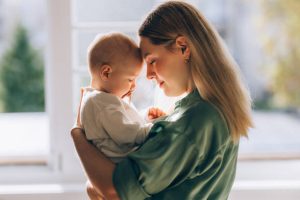
Mary* is a young women who was experiencing homelessness and struggling with her mental health. Fortunately, she was able to receive a continuum of services through The Learning Web, an impact partner receiving unrestricted programs funding from UWTC. She was quickly housed via the Permanent Supported Housing program in a rural location that she chose. While housed, she met her partner and became pregnant. Because of service needs and the challenge of transportation, The Learning Web helped her find a new apartment nearer to town right on the bus route. She and her partner also received sessions with LW’s mental health provider to help them navigate this new chapter in their lives. While still living in Permanent Supported Housing, she also received services via LW’s Supporting Strong Families program. She is an active participant in the play group and because of LW’s connection with Whole Health, she was able to get in-home support from a lactation specialist and nurse right after her baby was born. Her career interest is in human services, so she was able to get an apprenticeship with Cornell Cooperative Extension as a parent leader in the parenting programs offered by LW and CCE. This provided her with the opportunity to earn a stipend while investigating a career path that allowed her to bring her infant with her. Mary is now thriving and sees possibilities for her future and her family’s future.
United is the Way We Feed Our Community

Every Monday, Lee*, an older adult immigrant from Asia visits the YMCA Food Hub to gather fresh, nutritious food for the week. Thanks to United Way funding, the Food Hub has been able to expand their culturally relevant food selection, ensuring that individuals from diverse backgrounds can access familiar and essential ingredients. But for him, the Food Hub is more than just a source of sustenance. “This place is more than where I get my food,” he said. The Food Hub has become a space for connection, where he socializes with others while waiting for the pantry to open. Since the YMCA is a convener in the community and has partnerships with other local organizations and the Tompkins County Chronic Disease Prevention Working Group, they are able to bring tabling opportunities and resources directly to the pantry goers every month. At a recent health screening event hosted in partnership with Cayuga Health, Lee discovered he had high blood pressure—something he would have never known otherwise, as he is currently uninsured as he awaits Medicare eligibility. This awareness has empowered him to make healthier lifestyle choices, such as reducing his sodium intake, ultimately improving his well-being.
United is the Way We Support Children and Families

Melanie* is a single parent of two children, one of whom has learning challenges and another has mental health challenges. During Southworth Library’s Summer Reading Program, they came to the library almost every day for the lunches, the programs, and to work on their summer reading goals. Melanie stated that without the library, they would have been at a loss. She said her son’s reading and learning levels made incredible progress and she credits it to the library program. She also said that it was such a safe and welcoming space for her and her family, and everyone treated her so kindly, that it made a huge impact on their family life. With support from UWTC, the library was able to provide a free program to this family that helped improve the children’s reading skills and gave them opportunities to safely socialize with others during the school year.
United is the Way We Achieve Collective Impact

Last year through UWTC funded programs and organizations:
- 56,263 community members received transportation services to access health & human services, work, and/or learning opportunities
- 27,454 children and youth had access to safe environments that promote healthy development
- 25,325 residents received nutritious meals – or the components for nutritious meals – to promote their well-being and decrease food insecurity
- 11,257 individuals in our community received immediate and/or ongoing quality physical and mental health care
- 2,629 community members had access to services that helped them obtain and maintain safe, affordable housing
*All names have been changed for confidentiality, images are representative and not actual story subjects